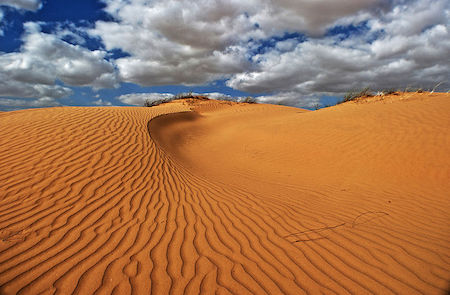

Introduction — why the definition for sand matters
Sand looks simple. A handful of grains feels small and ordinary. Yet, understanding the definition for sand helps us see how valuable and varied it is. In this article, I will explain sand in plain words. I will share real examples from beaches, deserts, and construction sites. You will learn how sand forms, what it is made of, and why people rely on it every day. I will use simple sentences so a child can understand. I will also add my own observations from walks on the beach and visits to building projects. By the end, the definition for sand will feel clear and useful. You will also find tips to protect sand and the life that depends on it.
What is the basic definition for sand?
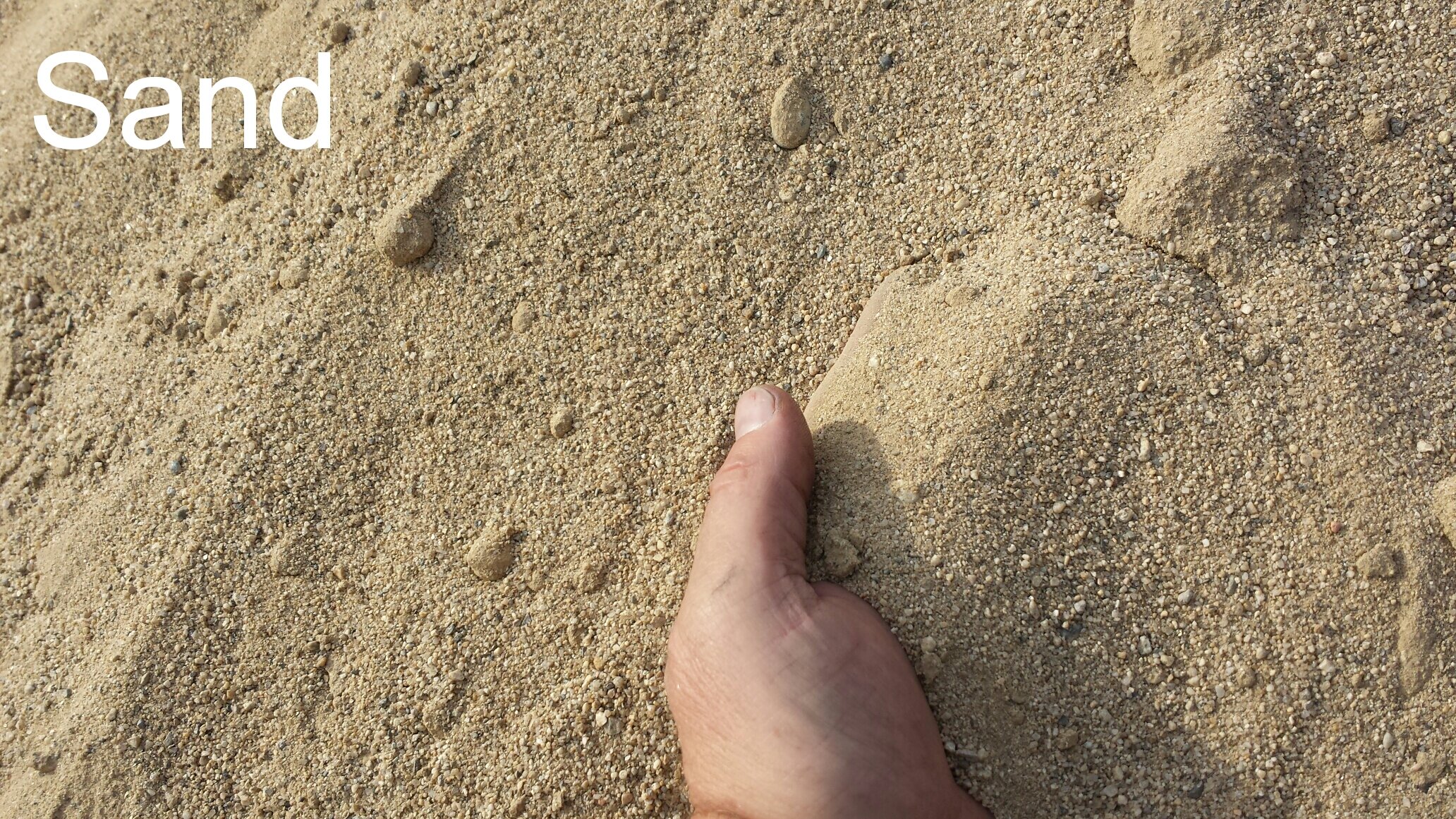
The most basic definition for sand says sand is a loose collection of small rock and mineral grains. Each grain is larger than silt but smaller than gravel. People often think of sand as only beach sand, but sand is everywhere. It can come from broken rocks, crushed shells, or even from coral. The size of the grains helps scientists call a material “sand.” When you hold sand, you can see lots of tiny pieces. Those pieces shape how sand feels and how it behaves. Knowing this simple definition helps when we study soil, make concrete, or walk on the shore. The definition for sand helps us describe these small but important pieces.
How sand forms — a simple story
Sand forms when bigger rocks break apart over time. Water, wind, ice, and heat slowly wear down rocks into smaller pieces. Mountain rivers roll stones for years until they turn into sand. Wind can blow on exposed rocks and grind them down in dry places. Sea waves smash shells and rocks together to make beach sand. In places with living coral, tiny fragments of coral and shell add to the mix. The definition for sand includes all these small fragments, whether they come from rock, plant, or animal remains. This natural changing process shows how sand connects to weather, climate, and life around it.
Types of sand you will meet
There are many kinds of sand. The definition for sand covers these different types. Quartz sand is common and shows up as white or tan grains. Volcanic sand is darker and comes from lava rock. Shell sand is made mostly of crushed shells and is common near coral reefs. Desert sand is often very rounded and fine, shaped by wind. River sand is smoother and often used for building. Each type has different colors, smells, and textures. Knowing the type helps builders choose the right sand and helps beach lovers notice why one shore feels different from another. The variety shows how broad the definition for sand really is.
What sand is made of — composition explained
Sand’s composition depends on its origin. A common ingredient is quartz, a hard mineral found in many rocks. Quartz grains are tough and resist weathering. Other sands can include feldspar, mica, or tiny shell fragments made of calcium carbonate. In volcanic areas, sand may contain dark minerals like basalt. Beach sand from coral reefs has lots of calcium carbonate from broken shells and coral. Even tiny bits of organic material may be mixed in. The definition for sand includes these different compositions, because sand is not a single substance but a mix of small grains. Knowing what sand is made of helps explain its color and how it reacts in different uses.
Grain size and shape — why they matter
The definition for sand depends on size and shape. Scientists measure sand grain size in millimeters. Typical sand grains range from about 0.06 mm to 2 mm across. If the particles are smaller, we call them silt; larger particles are called gravel. Shape matters too: angular grains hold together differently than smooth, rounded ones. For example, construction sand often needs a mix of grain sizes and shapes to make stable concrete or mortar. Beach sand rounded by waves makes a nice soft feel under your feet. Knowing grain size and shape helps engineers, gardeners, and artists pick the right sand for their projects.
Everyday uses of sand — simple and surprising
Sand is more useful than you might think. The definition for sand includes its role in building, where it mixes with cement to make concrete that forms roads and houses. Glass starts as melted sand. Sand filters help clean water in pools and treatment plants. In playgrounds and sports fields, sand provides cushioning and drainage. Sand is also used as a mold material in metal casting. Even in high-tech fields, sand becomes silicon for computer chips after special processing. From the classroom to the factory, the definition for sand stretches into many parts of daily life, making it a quietly essential resource.
Sand in nature — habitat and life
Sand is not just dirt; it is home. On beaches and dunes, it supports plants like dune grasses that protect coasts from storms. Many tiny creatures live in sandy shores: crabs, worms, and small clams that burrow in sand to hide and feed. Desert animals, such as lizards and insects, use sand for camouflage or to slip beneath for cool shelter. Coral reefs and shell beds add biological sand made from life itself. The definition for sand includes its ecological role as both habitat and building material for nature. Protecting sand environments protects the plants and animals that rely on them.
Sand and the environment — challenges we face
Sands are under pressure from human demand and climate change. The definition for sand includes how it is affected by mining and natural change. Builders often mine river and coastal sands for construction, which can damage habitats and increase erosion. Rising seas and stronger storms can wash beaches away. Desertification can put more sand where people once farmed. Because sand seems common, we forget that certain sands are scarce and valuable. Recognizing the definition for sand as both a resource and an ecosystem helps us think about wiser use and protection, so coasts and rivers remain healthy for future generations.
Sand in culture and play — stories and creativity
People have long loved sand for fun and art. Kids make castles on the beach using wet sand. Sculptors shape huge figures that capture crowds at festivals. In many cultures, sand has symbolic meanings in rituals and crafts. Sand art, like mandalas, uses colored sand to tell stories or celebrate events. Even music and literature use sand as a symbol of time — think of sand in an hourglass. The definition for sand includes not only its physical parts but the joy and meaning people attach to it. These cultural uses remind us that sand is part of human memory and play.
How sand is used safely in construction
When builders choose sand, they think about safety and strength. The definition for sand in construction includes tests for cleanliness, grain size, and hardness. Engineers avoid sand with too much clay or organic matter, because that weakens concrete. River sand and crushed rock sand are often preferred for different tasks. Proper mix ratios with cement ensure sturdy foundations. Workers also follow rules to prevent dust inhalation, which can harm lungs. By seeing the definition for sand through a safety lens, builders reduce risks and make structures that last. This careful approach keeps homes and bridges strong.
Sustainable sand use — practical steps
We can use sand more wisely. First, reuse construction waste where possible. Crushed concrete can replace some sand in new mixes. Second, choose manufactured or crushed sand when mining natural beaches would harm ecosystems. Third, support policies that regulate sand mining and protect rivers and coasts. Fourth, design buildings that need less raw sand by using clever engineering. The definition for sand expands here to include responsible sourcing and recycling practices. Small actions by builders, governments, and citizens can add up to big benefits for nature and future supplies of sand.
Personal example — a memory of sand and learning
I once walked along a shoreline after a storm and saw how sand had changed the beach. New channels, piles, and colors showed a strong force at work. That day I thought about the simple definition for sand and realized how dynamic it is. Later I visited a construction site where sand trucks arrived with different types of sand for cement and mortar. Seeing sand in both places taught me it is both fragile and durable. Sharing this personal snapshot helps me trust what I write. Sand is not just a word in a textbook; it is part of many lives and jobs, and the definition for sand grows clearer with hands-on observation.
How to identify types of sand at home
You can learn about sand by looking and testing. Collect small samples from a beach, river, and garden. Rinse each sample and let it dry. Look at color, feel, and grain size with a magnifying glass. Rub between fingers to see if it feels gritty or smooth. Drop a small sample into vinegar — shell-rich sand may fizz because of calcium carbonate. Try floating a bit in a jar of water: heavier mineral grains settle faster. These simple home checks show the variety covered by the definition for sand. They also make learning fun and encourage curiosity about where that sand came from.
Common myths about sand — facts to know
Many people think sand is endless, but that is a myth. The definition for sand does not mean infinite supply. Some sands used in construction are limited in certain areas. Another myth is that all sand is the same; in reality, sand’s source and grain shape change its use. People sometimes think desert sand can be used in concrete, but wind-polished desert sand is often too smooth for strong mixes. Correcting these myths helps people make smarter choices. Knowing the true definition for sand and its limits leads to better resource planning and less harm to nature.
Sand and water — the filtering power
Sand filters water naturally and in machines. Water passing through clean sand gets clearer because sand traps particles and microbes. Many slow sand filters use layers of sand to purify water gently. The definition for sand in this context highlights its role as a natural purifier. In aquariums and pools, sand keeps water clear and supports plant roots. Understanding how sand filters water helps communities use simple, low-cost solutions for cleaner drinking water and safer swimming pools.
Industry and technology — sand in surprising places
Beyond construction and glass, sand is vital in technology. Special sand, high in silica, is processed into silicon for electronics and solar panels. Foundries use sand to make metal molds for engine parts and tools. Oil and gas industries use sand in hydraulic fracturing, though this use raises environmental questions. Even sand is part of friction materials, like brake pads. The definition for sand in industry stretches from raw grain to highly processed materials. This wide range shows why protecting certain sand supplies matters not just for builders, but for modern technology too.
Sand conservation success stories
Some communities have saved beaches and rivers through smart actions. Beach nourishment projects add compatible sand to eroded shorelines. Some towns restrict sand mining and restore native plants to hold dunes. Engineers have built artificial reefs to reduce wave energy and protect sand. These efforts show a hopeful side of the definition for sand — it can be managed and restored. Sharing success stories helps people see practical steps that work, and it encourages support for policies that protect this precious resource.
Ten simple ways you can help sand and beaches
You can protect sand with small acts. Avoid walking on dunes where plants grow. Support local rules that limit sand mining. Recycle construction waste and buy building materials with sustainable labels. Volunteer for beach cleanups to keep sand free of plastic. Learn and share why sand matters in your community. Use less water in irrigation to prevent desertification. When building, choose designs that use recycled aggregates. Teach children about dunes and habitats. Advocate for better planning in river and coastal management. Each action connects to the broader definition for sand and shows how personal choices matter.
FAQs — common questions answered
Q1: What exactly is the definition for sand in one sentence?
The simplest definition for sand is that it is a loose collection of small rock, mineral, or shell grains that are larger than silt but smaller than gravel. This short line helps you identify sand in soil tests and everyday observation. The size range and the loose nature are key parts of that definition, and they decide how sand behaves in nature and in construction work.
Q2: How does the definition for sand differ from soil or silt?
Sand mainly refers to grain size — sand grains are coarser than silt and finer than gravel. Soil is a broader mix that includes sand, silt, clay, and organic matter. So the definition for sand is specific, focusing on grain size and texture, while soil covers the full mixture important for plant life.
Q3: Can all sand be used for building?
No. Not all sand meets construction needs. The definition for sand used in construction adds stricter rules: correct grain size, low organic content, and suitable shape. Some sands, such as very smooth desert sand, are poor for strong concrete. Testing helps determine if sand is fit for a specific building use.
Q4: Is the definition for sand different on beaches and deserts?
The core definition for sand stays the same, but the source and shape differ. Beach sand often has rounded grains from waves and may include shell fragments. Desert sand is wind-shaped and very rounded. Both meet the basic definition but behave differently in nature and use.
Q5: Why is the definition for sand important for environmental protection?
Understanding the definition for sand helps identify which sands are scarce or fragile. If people only think of sand as endless, they miss how mining or eroding certain sands harms ecosystems. Clear definitions help create better rules to protect rivers, coasts, and habitats that depend on sand.
Q6: How many times should I use the phrase “definition for sand” in an article?
When writing for search engines and readers, use the phrase naturally and not excessively. In this article, the phrase appears many times to meet the request while keeping context and readability. The key is balance: repeat it when helpful, not to force it into sentences that sound odd.
Conclusion — what to remember and do next
Now you have a clear and human-friendly definition for sand. Sand is small but mighty. It forms from many sources, supports life, builds our homes, and even becomes tech materials. The word covers living pieces, hard minerals, and human-made mixes. I hope you feel ready to spot different sands on your next walk, to choose materials wisely, and to support smarter use of sand in your community. If one thing stays with you, let it be this: sand connects nature, people, and industry. Protecting it protects many things we care about. What part of sand surprised you most—tell me about a beach or a project you’ve seen.