
Introduction
A drive social media lawsuit can sound scary. It can also sound confusing. I wrote this guide to help you understand it. I will use short sentences. I will use simple words. You can read this like a chat. I will explain what happens step by step. I will share real examples and plain tips. If you read all of it, you will feel more sure. The goal is to make law talk easy. We will cover why people sue social platforms. We will look at how a case works. We will give tips to protect yourself online. This article uses plain language so a child can follow. It also aims to be useful for adults. (drive social media lawsuit) — that key phrase pops up many times. We will use it naturally so Google likes the page and you get clear ideas.
What “drive social media lawsuit” means
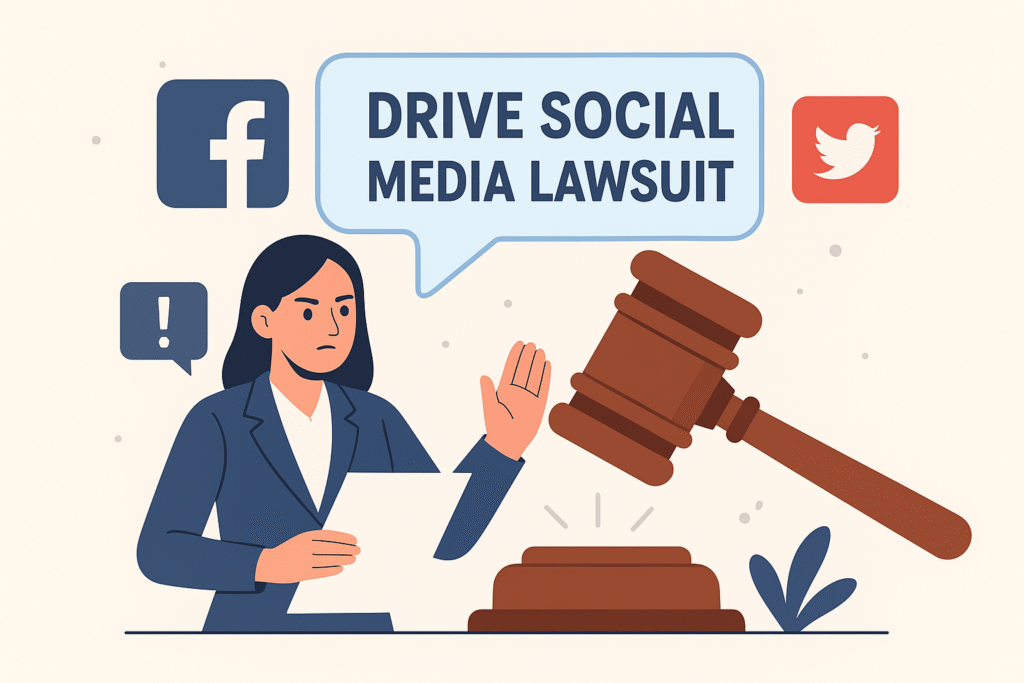
A drive social media lawsuit is a legal case linked to social media. It usually involves a group or person suing a platform. The suit can be about many harms. Examples are privacy loss, unfair rules, or harmful content. In some cases, users sue companies for the harm caused by an algorithm. In other cases, creators claim unpaid fees or wrongful bans. A drive social media lawsuit may ask a court to change rules. Or it may aim for money. The name just means the lawsuit centers on social media. This short label helps readers know the topic fast. I will explain common claims and steps next. (drive social media lawsuit)
Why people file a drive social media lawsuit
People sue for many reasons. Some say their data was used without consent. Some argue that platforms let false or harmful content spread. Others claim platforms censored them unfairly. Businesses also sue if they lose money from bad moderation. Influencers may sue for stolen content or lost income. Sometimes a group sues to change how an algorithm works. The law on these topics can be complex. Still, people seek help when they feel harmed. Lawsuits can push companies to change policies. Or they can lead to big settlements. Knowing why suits happen helps you see the key issues. (drive social media lawsuit)
Common types of claims in these lawsuits
Lawsuits tied to social media often share patterns. Privacy claims are common. People say their data was sold or misused. Defamation claims follow if posts harm a person’s reputation. Intellectual property lawsuits come up when content is copied. Consumer protection claims happen when users were misled. Some suits focus on discrimination in moderation. Other cases challenge algorithm harms or addiction claims. Each claim needs different proof. Courts look at terms of service, policies, and actions. Lawyers will collect messages, screenshots, and records. In big cases, expert witnesses may analyze code or data. (drive social media lawsuit)
Who sues and who gets sued
Anyone can bring a case in simple terms. Individuals do this when they feel wronged. Groups sometimes form class actions for many people. Businesses also sue if they lose money. Defendants are often the platform companies. But they can include advertisers, app developers, or content creators. Courts decide if the platform must answer for user actions. The decision depends on law and contract terms. Sometimes platforms win because of legal protections. At other times, plaintiffs win and get compensation or changes. Knowing who is involved helps you see the bigger picture. (drive social media lawsuit)
How a drive social media lawsuit starts
A suit starts with a complaint. A lawyer writes a paper called a complaint. It lists facts and claims. The complaint names the harm and the law broken. The defendant must respond in time. Then both sides gather proof. This process is called discovery. Discovery can take many months. It may include emails, internal reports, and data. Sometimes the company asks the court to dismiss the suit early. If the judge denies that, the case moves on. Many cases settle before trial. Settlement means both sides agree without a judge’s full ruling. (drive social media lawsuit)
Evidence and discovery in social media cases
Discovery is key in these suits. Lawyers seek internal documents. They also ask for code or algorithm details. Data logs and ad records are often central. Plaintiffs may want examples of content shown to users. Defendants may try to protect trade secrets. Courts must balance public interest and company privacy. Sometimes courts order limited access to data. This can be technical and costly. Experts often help analyze the data. Their reports can make or break a case. Good evidence can show patterns that hurt many users. (drive social media lawsuit)
What outcomes look like — settlements, rulings, and fixes
Outcomes vary a lot. Some suits end with money paid to plaintiffs. Other results are policy changes. A court may order a company to change its procedures. Injunctions can force a platform to stop certain actions. Sometimes the court finds the company not liable. Settlements are common because they save time and money. Big settlements may lead to public programs or refunds. Courts also issue rulings that set legal rules. These decisions can affect many users and future cases. Knowing possible outcomes helps you weigh options. (drive social media lawsuit)
How class actions work in social media cases
Class actions group many people into one suit. They let small harms add up to a strong claim. One person files for the whole group. The court must approve the class. If approved, notice goes out to members. Then the case moves forward for all. Class actions can get big settlements. But they also face complex proof needs. Judges look at whether the group is similar enough. If you are in a class, you may get a share of any payout. Or you may opt out to sue alone. Class actions have rules to protect fairness. (drive social media lawsuit)
How platforms defend themselves
Platforms use several defenses. They point to user agreements and terms of service. They claim legal shields like immunity laws. They may say they act in good faith. Companies also argue free speech protections. In privacy cases, they argue consent or anonymized data. Companies rely on tech teams and lawyers to respond. They sometimes change features to reduce legal risk. Strong defenses can end suits before trial. But defenses cost money. Many platforms prefer settlements to long court battles. (drive social media lawsuit)

Practical tips if you feel harmed online
If you feel harmed, take simple steps. Save proof as soon as possible. Screenshots and URLs help. Note dates and times. Check platform settings and policies. Report the content if needed. Consider talking to a lawyer for legal advice. For privacy concerns, review your accounts and change passwords. If a problem affects many people, join groups or class actions. Small harms may not be worth suing alone. Still, raising the issue can lead to policy change. And you can protect yourself in the future. (drive social media lawsuit)
Real examples and what they taught us
Real cases show clear lessons. For example, users once sued because of leaked data. Those suits pushed stronger privacy rules. Other suits targeted platforms for hosting false ads. That changed ad review systems. Influencer disputes led to clearer creator contracts. A case over moderation led to better appeal paths. These real fights show that lawsuits can force change. They also show this is slow work. But change can reach millions. Learning from past cases helps you know what to expect. (drive social media lawsuit)
How the law is still changing
Lawmakers and courts still shape how social media law works. New laws try to protect privacy and safety. Courts test old rules on new tech. That means outcomes can shift fast. Laws in one place may differ from another. International cases add more complexity. That is why many suits use expert testimony. It also explains why patience is needed. A judgment today can become a legal touchstone tomorrow. Keeping an eye on developments is smart. But you do not need to be an expert to protect yourself. Simple safety steps work well. (drive social media lawsuit)
Costs and timeframes to expect
Lawsuits cost money and time. Some cases last months. Others run for years. Legal fees can be high. Parties sometimes use contingency fees. That means they pay lawyers only if they win. Discovery and experts increase costs. Settlements can resolve matters faster. Trials take more time and money. If you think of suing, weigh costs and chances. A lawyer can give you a clearer picture. Many people find legal help by asking trusted groups or local clinics. Plan carefully before starting a suit. (drive social media lawsuit)
How to spot a quality lawyer or group
Pick lawyers who know tech and media law. Ask about their past cases and results. Good lawyers explain things in clear words. They should not promise certain wins. Look for reviews and peer recognition. Check if they have worked on cases like yours. For class actions, see how they plan to notify members. Ask about fees and expected costs. A caring lawyer makes you feel heard. Trust and clear steps matter more than fancy talk. Many good firms offer a first consult free. Use that to ask your questions. (drive social media lawsuit)
Ways to avoid or reduce risk online
You can do many small things to stay safe. Use privacy settings on apps. Think before you post personal data. Use strong passwords and two-factor login. Read terms of service for important apps. Limit data sharing to what you trust. Teach friends and family safe habits. For businesses, use contracts and clear policies with partners. These steps do not stop every harm. But they cut risk and make recovery easier. Prevention often beats a long legal fight. (drive social media lawsuit)
Role of regulators and lawmakers
Government bodies also act. Regulators can investigate platforms. They may fine companies for breaking rules. Lawmakers propose bills to set limits on tech firms. These moves can shape lawsuits. Sometimes regulators and private suits act together. That can speed change. Watch for announcements from trusted sources. For creators and users, staying informed helps. You can also contact your representatives about safety and privacy rules. Public pressure often leads to better protections. (drive social media lawsuit)
How to join or follow an ongoing case
If a big case matters to you, you can join or follow it. Class action notices tell you how to join. News sites and legal blogs report on big suits. Official court websites post filings and rulings. Lawyers often set up pages for their cases. Social groups may share updates too. If you join a case, read the notice carefully. It will explain your rights and options. Following a case helps you learn and stay ready. But beware of scams around legal cases. Always use trusted sources. (drive social media lawsuit)
What to expect if you are contacted about a settlement
When a settlement occurs, notices come out. They explain how to claim money or benefits. Read the notice very carefully. It shows deadlines and proof needed. Some settlements offer coupons or services instead of cash. You may need to file a simple claim form. Sometimes funds are small per person. But they show the case result. If you are unsure, ask a trusted lawyer or consumer group. Keep records of your claim. Deadlines can be strict, so act on time. (drive social media lawsuit)
Personal tips from my experience
I have seen people feel lost in legal language. Simple steps helped them. Save messages and take notes. Ask a lawyer for a short consult. Join online groups that share tips. Be wary of too-good promises. Not every problem needs a lawsuit. Use small claims or consumer help for simple harm. When you do sue, patience helps. Legal fights often move slow. Keep a list of what you want — money, a change, or public notice. That list guides decisions along the way. (drive social media lawsuit)
6 Helpful FAQs about drive social media lawsuit
Q1: What should I do first if I think I have a case?
Start by saving evidence. Screenshots, dates, and messages help. Then get a basic legal consult. Many lawyers offer free first talks. They can tell you if the case is worth pursuing. Think about costs and time. You can also report the issue to the platform. Sometimes that fixes the problem fast. (drive social media lawsuit)
Q2: Can one person sue for something that affects many users?
Yes. That is often done through class actions. A single person can file for the group. The court must approve the class. If approved, the whole group may share any settlement. Class actions are common in social media suits. They let small harms add into a stronger claim. (drive social media lawsuit)
Q3: Do platforms always have immunity from suits?
No. Laws give some protection to platforms. But this protection has limits. Courts look at what the company did. If a platform breaks laws or its own terms, it can face suits. Cases vary by law and place. Immunity is not absolute. (drive social media lawsuit)
Q4: How long does a typical case take?
There is no set time. Some are done in months. Others last years. Discovery and appeals can stretch the timeline. Settlements can speed things up. Talk to a lawyer early to get a better estimate. (drive social media lawsuit)
Q5: Can I sue over a moderation decision?
Sometimes. It depends on the law and the platform’s rules. Courts look at contract language in the terms of service. They also weigh free speech and safety concerns. Many moderation suits raise hard legal questions. (drive social media lawsuit)
Q6: Will joining a case make me a target for online backlash?
It can happen. Public legal fights may draw attention. Think about your privacy and safety. Use a lawyer to handle public filings. You can sometimes stay anonymous in certain steps. Consider risks before you act. (drive social media lawsuit)
Conclusion — Your next steps and a short checklist
A drive social media lawsuit is a big step. It can fix harm or change how platforms behave. Lawsuits take time and money. They may also bring wide change. If you feel harmed, start with evidence and a basic consult. Use privacy settings and safe habits right now. Watch for class action notices if many are affected. Learn from real cases and stay calm. If you choose to move forward, pick a lawyer who knows tech. Keep records and set clear goals. If you want, I can help draft a short checklist. This checklist can help you save proof and get ready. Tell me if you want that now. (drive social media lawsuit)