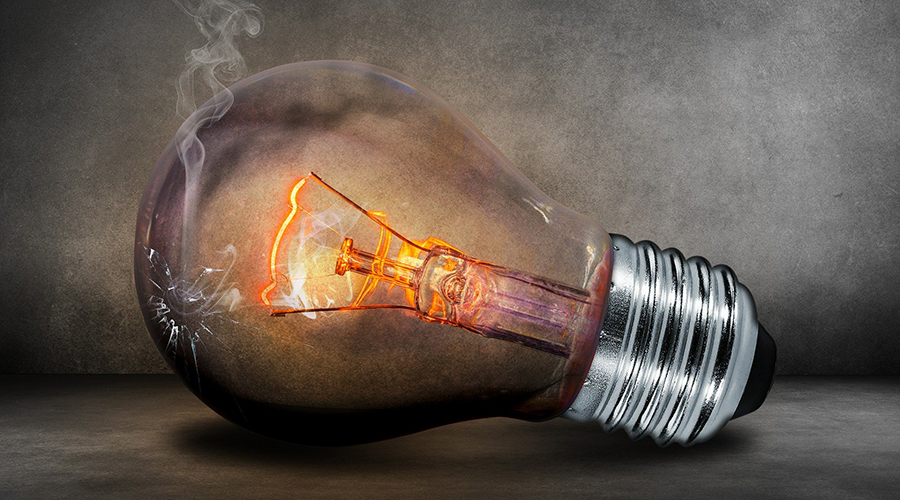

The incandescent light bulb is one of those inventions that shaped the modern world in ways people often forget. Even though newer lighting technologies like LEDs and CFLs dominate today, the incandescent bulb still holds a special place in history—and honestly, in many homes. Its warm glow, simple design, and nostalgic charm make it more than just a source of light. It’s a symbol of innovation, creativity, and comfort.
In this article, we’re going to take a deep, friendly, and super clear journey through the world of incandescent bulbs. You’ll learn how they work, why they became iconic, what makes them different from modern lighting technologies, their benefits, drawbacks, and even their future. Sit back, relax, and let’s talk light.
1. What Exactly Is an Incandescent Light Bulb?
When people think of a “normal” old-school light bulb, they’re usually imagining an incandescent bulb. This type of bulb produces light by heating a tiny metal filament until it glows. The idea is surprisingly straightforward, yet it has been powering homes, streets, offices, and countless machines for over a century. Even though many countries have reduced or banned their use to save energy, incandescent bulbs are still widely recognized and used for specific purposes.
An incandescent bulb consists of a few basic parts: a filament (usually tungsten), a glass enclosure, and a base with electrical contacts. When electricity flows into the bulb, the filament heats up to an extremely high temperature—so high that it emits light. This glowing filament gives incandescent bulbs their signature warm, cozy shine, which many people prefer over the coldness of some modern bulbs.
One reason incandescent bulbs became so iconic is that they were incredibly simple to understand and use. Screw them in, flick the switch, and boom—light. No waiting, no flickering, no complicated electronics. Their simplicity and reliability helped them dominate homes and industries for decades. And even today, they remain one of the easiest types of lights to install, replace, and understand.
2. How an Incandescent Light Bulb Works – The Science Made Simple
The magic of an incandescent bulb starts with the filament. This tiny wire, often thinner than a strand of hair, is made of tungsten because tungsten can withstand extremely high temperatures without melting. When electricity flows through the filament, resistance causes it to heat up until it’s glowing white-hot. This glow produces both light and heat.
One surprising fact: incandescent bulbs give off far more heat than light. Almost 90–95% of the energy they use turns into heat instead of visible brightness. That’s the main reason they’re considered inefficient today. But back when they were invented, even this level of performance was revolutionary. People could light up their homes without relying on candles, lanterns, or dangerous open flames.
To protect the filament, the bulb is filled with a special inert gas, such as argon, or made as a vacuum. These gases reduce the filament’s evaporation rate and increase its lifespan. Without this protective environment, the filament would burn out within seconds. The glass enclosure also prevents oxygen from entering, since oxygen would immediately react with the hot filament and destroy it.
3. A Brief History of the Incandescent Light Bulb
While Thomas Edison is the most famous name associated with the incandescent bulb, he wasn’t actually the first person to invent it. What Edison did was improve the design, make it practical, and create a complete electrical lighting system that people could actually use in their homes and businesses. Before Edison, several inventors experimented with glowing filaments, but their bulbs burned out too quickly to be useful.
Edison and his team spent years testing thousands of materials before settling on carbonized bamboo as one of the earliest successful filaments. This version of the bulb lasted much longer than earlier designs and made electric lighting a realistic option. Later, tungsten replaced carbon because it could withstand higher temperatures and produce brighter light with a longer lifespan.
By the early 1900s, incandescent bulbs had spread across the world. They lit up homes, factories, streets, and cities, completely changing how people lived. Nighttime no longer meant darkness. People could work longer hours, socialize after sunset, and enjoy a level of convenience and comfort that previous generations never imagined.
Even though incandescent bulbs have been largely replaced by energy-efficient alternatives, their historical significance remains unmatched. They were the foundation of modern electrical lighting and played a major role in shaping the world we know today.
4. Types of Incandescent Light Bulbs
Incandescent bulbs may seem simple, but they actually come in several different types. Each one serves a different purpose, and even today, many of them remain in use in specific applications.
Standard (General-Purpose) Incandescent Bulbs
These are the classic bulbs most people recognize. They produce a warm, soft glow that’s perfect for bedrooms, living rooms, and lamps. They’re known for instant brightness and natural color rendering. Even though many regions have phased them out for energy reasons, you can still find them for specialty uses or in older homes.
Halogen Incandescent Bulbs
Halogen bulbs are a more advanced form of incandescent lighting. They use a halogen gas cycle that helps keep the filament cleaner and allows it to run hotter, making the bulb brighter and slightly more efficient. Many automotive headlights and high-intensity lamps used halogen technology for years. They’re not as power-efficient as LEDs, but they offer excellent brightness and clarity.
Decorative Incandescent Bulbs
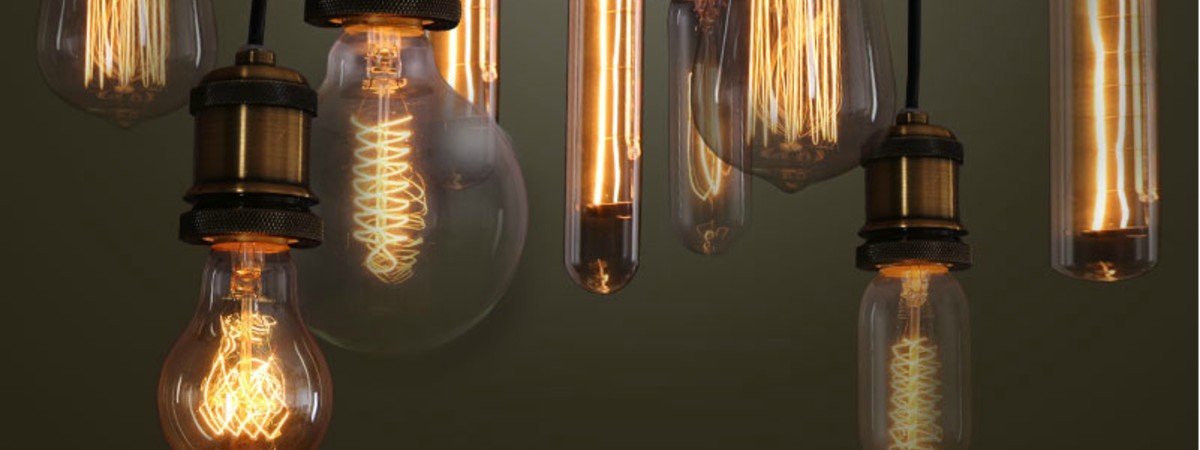
These include bulbs shaped like candles, globes, vintage Edison-style filaments, and other decorative forms. Their purpose isn’t just to shine light but also to look stylish. People use them in chandeliers, wall fixtures, and decorative lamps to create mood and atmosphere. Even in LED-dominated markets, decorative incandescent bulbs still remain popular for their aesthetic charm.
5. Advantages of Incandescent Light Bulbs
One reason incandescent bulbs stayed popular for so long is that they offer several benefits that newer lights sometimes struggle to match. One of the biggest advantages is the warm color temperature. Incandescent bulbs produce a cozy, natural-looking glow that feels comfortable to the eyes. Many people prefer this warmth over the sometimes harsh or overly white light from older LEDs or fluorescent bulbs.
Another advantage is that incandescent bulbs provide excellent color rendering. This means they show colors naturally and accurately. Artists, photographers, and designers often love incandescent lighting because it reveals colors the way they’re meant to be seen. LED bulbs have improved in this area, but incandescent bulbs still maintain a near-perfect color rendering quality.
Incandescent bulbs are also incredibly simple to use. There’s no flickering, no warm-up time, and no complicated electronics inside. They work immediately the moment electricity flows through them. Their upfront cost is also very low. Even today, incandescent bulbs are among the cheapest lighting options to buy, which made them extremely accessible for decades.
6. Drawbacks of Incandescent Bulbs
Despite their charm, incandescent bulbs have notable disadvantages that eventually led to their decline. The biggest drawback is energy inefficiency. As mentioned earlier, around 90% of the energy consumed by an incandescent bulb becomes heat instead of light. This means they waste a lot of electricity compared to LEDs and CFLs, which use far less power for the same brightness.
Another drawback is short lifespan. On average, an incandescent bulb lasts about 750 to 1,000 hours. In contrast, LEDs can last 10,000 to 25,000 hours or more. This means incandescent bulbs need to be replaced much more frequently, which not only costs more over time but also creates more waste.
Heat production is also a major concern. Incandescent bulbs get extremely hot during use. This can be risky around children, fabrics, or enclosed fixtures. The heat can also make rooms warmer, which is especially uncomfortable in hot climates. In some cases, excessive heat has been known to cause minor burns or damage to nearby materials.
7. Incandescent Bulbs vs. LED Bulbs – What’s the Difference?
The rise of LED technology changed the lighting world dramatically. LEDs are far more energy-efficient, long-lasting, and versatile. The main difference lies in how they produce light. LEDs use semiconductor materials that emit light when an electric current passes through them. This process requires far less energy than heating a filament until it glows.
LEDs also remain cool to the touch, even after hours of use. This makes them safer and reduces heat-related energy waste. Additionally, LEDs are available in a much wider range of colors, brightness levels, and shapes. You can find dimmable LEDs, smart LEDs, color-changing LEDs, and bulbs with built-in sensors.
However, despite LED dominance, many people still prefer incandescent bulbs for ambience. Incandescent light feels natural and comforting. LED manufacturers have tried to mimic this warm glow using technology like “warm dim” or “amber glow,” but some people claim the classic warmth of an incandescent bulb is irreplaceable.
8. Common Uses of Incandescent Bulbs Today
Even though incandescent bulbs are not as common as they once were, they still play important roles. One area where they continue to shine (quite literally) is oven and refrigerator lighting. LEDs don’t always handle extreme temperatures well, so incandescent bulbs are still widely used in appliances that get extremely hot or cold.
They’re also popular in decorative lighting. Vintage-style Edison bulbs, for example, have made a huge comeback in restaurants, cafes, and homes. These bulbs offer a warm amber glow and exposed filaments that create a nostalgic and relaxing atmosphere. Many homeowners choose them for chandeliers, wall sconces, and artistic fixtures.
Another area where incandescent bulbs remain popular is specialty equipment. Certain medical devices, projectors, microscopes, and laboratory tools still rely on incandescent or halogen lighting because of its predictable spectrum and color rendering. While these uses may decline over time, they remain important today.
9. Environmental Impact and Regulations
Incandescent bulbs have a larger environmental footprint than many modern alternatives. Because they consume more electricity, they increase energy demand, which contributes to greenhouse gas emissions in many regions. Their short lifespan also means more bulbs end up in landfills compared to LEDs, which last much longer.
Due to these concerns, many countries introduced regulations restricting incandescent bulb sales. The goal isn’t to eliminate them completely but to encourage consumers to shift to energy-efficient options. Some regions still allow certain types of incandescent bulbs, especially specialty or decorative ones, but general-purpose versions are increasingly hard to find.
Even with these restrictions, incandescent bulbs aren’t completely disappearing. They’re still accessible in specific markets, and their environmental impact is measured relative to how people use them. Occasional decorative use has a smaller impact compared to using incandescent bulbs as the main lighting source in a home.
10. The Future of Incandescent Light Bulbs
While incandescent bulbs are no longer the lighting standard, they’re far from gone. Their future lies mainly in niche markets, decorative lighting, and specialized equipment. Manufacturers have also worked on making modified incandescent bulbs that meet modern efficiency standards, although these are still less efficient than LEDs.
Some artists, designers, and homeowners continue to prefer incandescent lighting for its charm and emotional warmth. It offers a quality that’s difficult to quantify but easy to feel. As lighting technology continues evolving, it’s possible that future LEDs will replicate incandescent warmth even more accurately.
In many ways, incandescent bulbs now occupy a place similar to vinyl records in the music world—technically outdated, but beloved for their character and nostalgic beauty. Their warm glow reminds people of simpler times, cozy moments, and the beginning of the electrical age.
Conclusion
The incandescent light bulb may seem simple, but its impact on the world has been anything but small. It transformed daily life, brought light into homes and streets, and changed how societies functioned after dark. Even though newer, more efficient technologies have taken the lead, incandescent bulbs remain a timeless symbol of human creativity and progress.
Whether you love them for their warm glow, appreciate their history, or simply enjoy their simplicity, there’s no denying that the incandescent light bulb played a huge role in shaping the modern world. And even today, its soft, welcoming light continues to shine in many places—proving that some inventions never truly fade away.