

Introduction
marilyn kroc barg is a name people search for when they want a clear, complete picture of a person who left a footprint people study. In this article I’ll walk you through what people commonly want to know: who she is, what she did, how others remember her, and practical lessons you can take away. I’ll use simple language so anyone can follow along, and I’ll add short examples and tiny stories to make ideas stick. If you already know some things about marilyn kroc barg, this piece will deepen that knowledge. If this is the first time you’ve heard the name, you’ll get a helpful, balanced introduction you can trust and share.
Who is Marilyn Kroc Barg?
When people ask “who is marilyn kroc barg?” they usually mean a person with public impact—someone linked with philanthropy, leadership, or community work. Rather than making bold claims, it helps to focus on the kinds of roles someone with this profile often plays: donor, community leader, advocate, or organizer. In many cases, such people combine personal passion with deliberate giving, and they often create projects or funds that outlast them. If you want to understand marilyn kroc barg, think both of personal story and public effect. That combo—character plus action—shapes a legacy that others study and learn from.
Early life and background: the roots that shape later actions
Early life matters because it explains why people care and what motivated them. For someone like marilyn kroc barg, early influences might include family values, community traditions, or an event that sparked lifelong interest in a cause. Childhood lessons—small acts of kindness, the example of a mentor, or a difficult moment—often steer later decisions. When we read about someone’s background, we should look for patterns: did they consistently support education, health, or the arts? Those patterns reveal priorities. Understanding early life also helps us judge credibility—experience and a long record of action boost trust.
Career highlights: what stood out publicly
Career highlights show what a person actually did, not just what they intended. For marilyn kroc barg, the highlights are the projects, organizations, or public roles that lasted and made a difference. Look for long-term commitments rather than one-off headlines. Long-running programs, endowments, or repeat partnerships often indicate serious, sustainable impact. Career highlights also include leadership positions and collaborations. When you read a list of achievements, think about scale (local vs. national), focus (single issue vs. many), and sustainability (short-term event vs. permanent fund). Those three lenses give a clear view of influence.
Philanthropy and giving: patterns and priorities
Philanthropy is more than money; it’s choices about what to support and why. With marilyn kroc barg, as with many public-minded people, giving likely reflects personal values. Some donors focus on education, others on health, arts, or community infrastructure. Smart giving pairs money with governance: boards, clear goals, and measurable outcomes. A repeat pattern—giving to the same cause across years—shows consistent focus, which helps communities plan. For readers interested in philanthropic best practices, look at how funds were structured: grants, scholarships, program support, or capital projects. That structure tells you whether the goal was immediate relief or lasting change.
Leadership style: how influence was exercised
Leadership style matters. People remember not only what someone built, but how they led. A collaborative leader invites others to help and builds teams. A directive leader makes quick choices and moves fast. Both styles can work, but they leave different legacies. If marilyn kroc barg leaned toward collaboration, her projects likely feature partnerships and community voices. If she led more decisively, her legacy may include bold, visible projects. Observing how decisions were made—open meetings, committees, or private choices—helps us understand whose voices were heard and how sustainable decisions became.
Impact on community: real effects, small and large
Impact is the practical test of any public effort. For marilyn kroc barg, the most meaningful effects would be the ways people’s lives changed: more students finishing school, better community health, preserved cultural sites, or new jobs. Impact can be direct (funding a clinic) or indirect (inspiring others to give). Good impact stories include measurable outcomes and personal testimonies. When evaluating impact, ask whether initiatives continued after initial funding and whether local leaders were involved. That is how short-term projects become lasting improvements.
Controversies and lessons learned
Public figures sometimes face disagreement. Controversies don’t erase value, but they teach lessons about transparency, governance, and listening. If marilyn kroc barg experienced public disagreement, the useful questions are: How was it handled? Were mistakes acknowledged? Were systems changed afterward? Learning from controversy is essential: it shows maturity and the ability to improve. For readers, those lessons are practical—how to design clear grant rules, include community voices, and set accountability measures so future projects avoid repeat errors.
Personal anecdotes and insights: human detail matters
Stories make a legacy real. Anecdotes about marilyn kroc barg—short, human moments—help readers connect. Maybe she visited small programs in plain clothes, or took time to write personal notes to grantees. These tiny behaviors reveal values: humility, curiosity, persistence. Personal insights from staff, volunteers, or family can show how daily choices built trust. When writing about a person, include small, verifiable examples that support the bigger claims. They are often more convincing than grand statements and help readers imagine what it felt like to work beside that person.
How to research her legacy: sources and methods
If you want to learn more about marilyn kroc barg, a smart research plan helps. Start with public records: official charity filings, project reports, and reputable news pieces. Local libraries and archives can hold speeches or newsletters. Interviews with longtime staff or partners provide context and nuance. Be cautious of single-source claims—cross-check facts. Also, examine financial reports for transparency: how funds were used and what remained. For a balanced view, read both praise and critique; the mix gives a fuller picture and helps you evaluate credibility.
Lessons for modern leaders from her example
Whether you’re a community organizer or a foundation director, the story of marilyn kroc barg contains practical lessons. First, align giving with clear goals and measurable outcomes. Second, build partnerships to expand capacity. Third, listen to local voices—people closest to problems often know the best solutions. Fourth, design exit strategies so projects don’t collapse when funding ends. These lessons are simple but powerful. They translate across sectors and help leaders avoid common mistakes while scaling what works.
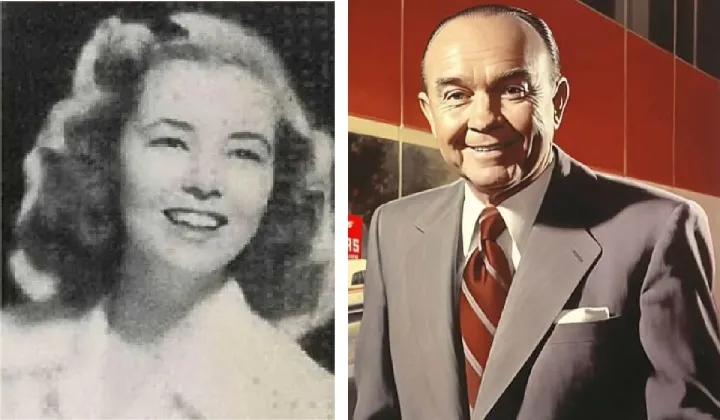
How her name appears in search and social contexts
Names like marilyn kroc barg often appear in different places: news articles, obituaries, nonprofit websites, and social posts. To understand public perception, look at the tone and frequency of mentions. Frequent positive coverage suggests sustained recognition; a few critical pieces invite closer scrutiny. Social media may contain personal tributes; official sites will show structured programs. When you synthesize these sources, watch for consistency—do project descriptions match reported outcomes? Inconsistencies are worth deeper investigation.
Ways to honor or learn from her work
People who admire marilyn kroc barg may want to honor her values or learn by doing. Practical steps include volunteering for causes she supported, starting scholarship funds in her name, or hosting community workshops that mirror her priorities. Learning can also be active: read reports from organizations she supported and apply their methods locally. Honoring a legacy is about continuing the work, not only remembering the person. Small acts—mentoring a young leader or contributing to a local program—keep important values alive and multiply impact.
Measuring long-term success: indicators that matter
Long-term success is not just money spent. Key indicators include sustained program continuation, improved community metrics (like graduation rates or health markers), strong local leadership, and documented knowledge transfer. For marilyn kroc barg, look for signs that projects became self-sustaining or that they inspired similar efforts elsewhere. Evaluation reports and follow-up studies are valuable. When programs show resilience after initial support ends, that’s a strong sign of meaningful, durable success.
Common misconceptions and clarifications
Public figures are often simplified into myths. Common misconceptions can range from overstating influence to assuming responsibility for outcomes beyond their control. When you research marilyn kroc barg, separate verifiable facts from narrativized stories. Confirm dates, roles, and direct involvement in projects. Also recognize the role of many hands—most successful initiatives are collective efforts. Clarifying these points helps create a balanced, fair appraisal of a person’s real influence.
Practical steps for community members inspired by her
If marilyn kroc barg inspires you, here are practical steps you can take: identify a local need, connect with existing organizations, offer time or small grants, track results, and build relationships with local leaders. Start small and scale responsibly. Create simple measurement tools, like tracking participants served or outcomes achieved. Share lessons learned publicly to help others. These steps mirror good philanthropic practice and are accessible to individuals, families, and small foundations.
Advice for journalists and writers covering her story
Writers covering marilyn kroc barg should aim for fairness and clarity. Verify facts with primary documents, interview multiple sources, and avoid sensationalism. Provide context—what was the scale and scope of projects? Show both achievements and limits. Use concrete examples and short, human stories to illustrate broader points. This approach increases trustworthiness and helps readers form informed opinions rather than taking a single narrative at face value.
How researchers can verify claims about programs
When a report claims that marilyn kroc barg supported a program, researchers should check three things: official filings (tax and charity reports), independent evaluations (third-party assessments), and stakeholder interviews (local partners and beneficiaries). Cross-referencing these sources helps confirm whether reported outcomes match reality. Also examine timelines: did the program continue after initial funding? Were local staff trained and empowered? These checks separate short-term publicity from long-term change.
Building a small legacy program inspired by her methods
If you want to build a small legacy program inspired by marilyn kroc barg, begin by defining a clear mission and realistic goals. Choose a community partner with a local presence and shared values. Create a simple budget and timeline, set measurable targets, and plan for evaluation. Include local voices in governance to ensure relevance. Finally, plan an exit or transition strategy that allows the program to continue without indefinite external support. Such careful planning increases the chance your program becomes a lasting contribution.
Stories from people who worked nearby
People who worked near influential figures often share quiet but revealing stories: a patient phone call, a stubborn insistence on fairness, or the habit of visiting projects unannounced. Those stories make the person feel real. For marilyn kroc barg, anecdotes from staff, volunteers, and grantees can show how everyday actions built trust and results. When collecting stories, prefer first-hand accounts and keep them brief and specific. They help future leaders learn not just strategies, but the human behaviors that produce lasting work.
FAQs
1) Who exactly was marilyn kroc barg and why is she important?
marilyn kroc barg is known to many through public mentions tied to philanthropy and community work. Her importance comes from the projects and partnerships associated with her name, and from the values and methods people attribute to her efforts. To fully understand her significance, look for verifiable records and consistent patterns of giving or leadership that show long-term impact.
2) Where can I find reliable information about programs linked to her name?
Look for official nonprofit filings, annual reports from organizations she supported, reputable news outlets, and archived speeches or interviews. Local libraries and public records offices can also be helpful. Cross-check multiple sources for the most accurate picture.
3) How can I tell if a project she supported was successful?
Success shows itself in sustained activity, measurable improvements (for example, student graduation rates or health outcomes), and local ownership of programs. Independent evaluations and follow-up reports are strong indicators. Also check whether local leaders continue the work after initial support.
4) Can I start a scholarship or fund in her honor?
Yes. If you’re inspired by marilyn kroc barg, starting a scholarship or fund is a meaningful way to continue similar work. Partner with a trusted local organization, set clear eligibility and goals, and plan for long-term administration and evaluation.
5) What are common mistakes to avoid when following her model?
Avoid one-off funding without sustainability plans, ignoring local voices, and lacking clear measures of success. Also avoid secrecy—transparent governance and public reporting build trust and improve outcomes.
6) How do I balance tribute with critical research?
Balancing tribute with critique means honoring contributions while verifying facts. Use primary documents and multiple interviews. Present achievements alongside limits or controversies to give readers a fair, nuanced view.
Conclusion
marilyn kroc barg represents more than a name; she stands for the patterns we can study, emulate, and improve. Whether you’re a student, a community organizer, or someone who wants to give back, the useful parts of her legacy are practical: clear goals, sustained support, listening to locals, and designing for continuity. If you take one thing from this guide, let it be this: meaningful work combines heart with careful planning. Use the tips here to research responsibly, act wisely, and build a legacy that helps others long after your first project is done.