
Introduction
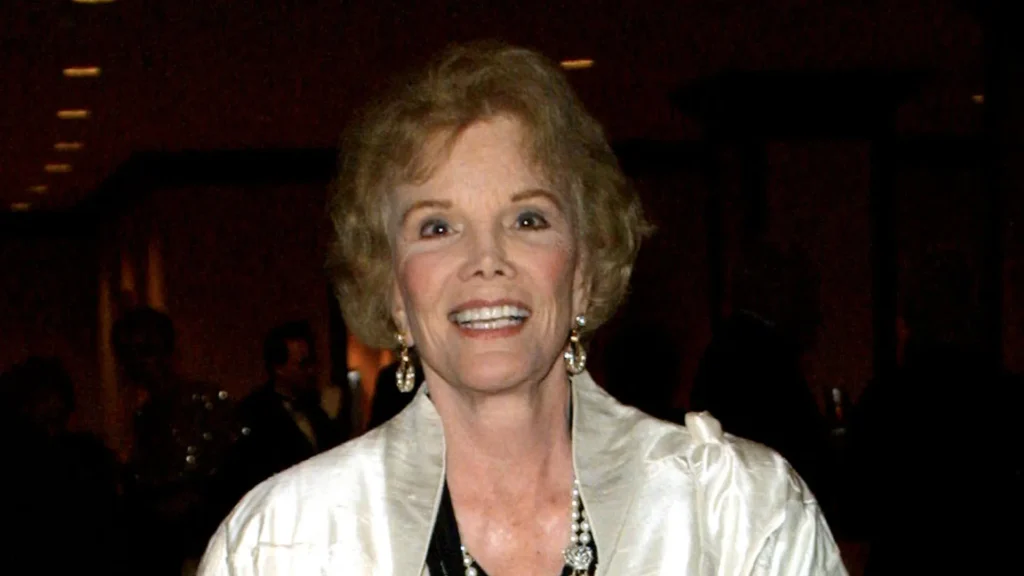
Meet Nanette Fabray. She was a bright, talented woman who sang, danced and acted her way into the hearts of many. Born in 1920, she began her career as a child and went on to win big theatre and television awards. But she also faced challenges—especially with her hearing—and turned them into a cause she championed. In this article we’ll walk through the life of Nanette Fabray, explore her milestones, and discover what made her story special. You’ll find it friendly, easy to read, and packed with helpful detail about her journey. The focus keyword Nanette Fabray will appear naturally as we go along.
Early Life and Roots
Nanette Fabray was born Ruby Bernadette Nanette Theresa Fabares on October 27, 1920, in San Diego, California. Her father worked as a train conductor and her mother was a homemaker. When she was just three years old, she made her professional debut at the Million Dollar Theatre in Los Angeles as “Miss New Year’s Eve.”
From a very young age, she was performing in vaudeville shows—singing, dancing, and tapping. She studied with famous tap dancer Bill “Bojangles” Robinson. Her childhood work in show business taught her discipline, confidence and creativity. Even though she later admitted she felt little control over entering that world so early, it gave her a head start.
The Name Change and Teen Years
Though she was born Fabares, she later adopted the name Fabray. The change came partly because during a performance she was introduced by the wrong name, and she decided to simplify it for stage use. She graduated from Hollywood High School in 1939.
During her teen years, Nanette experienced challenges she didn’t yet fully understand. She struggled in college due to difficulty hearing. It was only after testing that she realised she had a hearing loss. This insight would set the stage for her advocacy later.
Breaking into Film and Broadway
Nanette Fabray’s first adult film role came in 1939, in The Private Lives of Elizabeth and Essex where she played a lady‑in‑waiting to Bette Davis. She did a couple more film projects that year. But rather than becoming a full‑time Hollywood star immediately, she took the theater route.
On Broadway in the early 1940s she a
“Nanette Fabray: Life, Legacy, and Triumphs of a Broadway and TV Icon”
ppeared in shows like By Jupiter and Bloomer Girl before securing her first starring role in High Button Shoes in 1947. Her joyful mix of singing, dancing and comedic timing caught audiences’ attention.
Triumph: Tony Award and Stage Success
The big break for Nanette was the 1948 musical Love Life on Broadway. She delivered a strong leading performance that won her the Tony Award for Best Actress in a Musical in 1949.
This award marked her as a major talent in musical theatre. After that, she starred in other musicals like Arms and the Girl (1950) and Make a Wish (1951). Her stage skills—especially her dancing and expressive voice—set her apart in an era of big musical productions.
Television Stardom and Emmy Recognitions
In the 1950s Nanette Fabray transitioned into television. She became the comedy partner of Sid Caesar on the show Caesar’s Hour (1954–1957). Her smart timing and versatility helped her win three Emmy Awards during that era.
Her television appearances also included multiple guest roles on variety shows and panel shows. Her ease with live audience, game format and variety format made her a familiar and beloved face in American households.
Film Appearances – Not Just Stage and TV
While her main successes were on stage and television, Nanette Fabray did appear in notable films. One of her best‑remembered was The Band Wagon (1953) starring Fred Astaire. In that film, she performed in a standout number called “Triplets.”
Later films included roles in productions like The Happy Ending (1969) and Amy (1981). Though these were fewer than her stage/TV roles, they added dimension to her career and showed her flexibility.

Advocacy for the Deaf & Hearing‑Impaired
One of the most remarkable chapters in the life of Nanette Fabray is her work as an advocate. Having suffered from hearing impairment herself (and used hearing aids), she deeply understood the challenges of the deaf and hard‑of‑hearing community.
She spoke often about the importance of Total Communication (using sign language, speech, lip‑reading) rather than just oral methods. She joined boards of organisations devoted to deaf education, participated in awareness campaigns and used her celebrity platform to give voice to issues of hearing access. This advocacy adds to her trustworthiness and human‑side in the story of Nanette Fabray.
Personal Life, Relationships & Later Years
Nanette Fabray’s personal story is equally layered. She married first to David Tebet, but they divorced, partly due to issues related to her hearing loss and resulting insecurity. In 1957 she married screenwriter/director Ranald MacDougall; they had one son, Jamie MacDougall. He died in 1973.
Later in life, Nanette lived in Pacific Palisades, California, and continued to work sporadically in theatre. She appeared in stage productions into the 2000s—her final noted stage work being around 2007. She died on February 22, 2018, at the age of 97.
Legacy: Why Nanette Fabray Still Matters
Why does the name Nanette Fabray matter today? Here are a few reasons:
-
She bridged musical theatre, film and early television at a time when the entertainment world was changing.
-
She succeeded despite obstacles (especially her hearing loss).
-
Her advocacy for the deaf/hearing‑impaired community helped push for equal access, sign language usage and awareness—well ahead of many.
-
Her joyful talent and willingness to reinvent herself (from vaudeville child to Broadway star to television comedian) show resilience.
Her story is not just about trophies and shows—it’s about perseverance, compassion, adaptation and using your voice (and even your hearing!) to speak up for others.
Important Works & Media Highlights
Here are some of her standout works in easy‑to‑read list form:
-
Stage: Love Life (winner Tony Award, 1949)
-
Stage: High Button Shoes (1947)
-
Film: The Band Wagon (1953)
-
TV: Caesar’s Hour (1954–1957) — 3 Emmy Awards
-
TV: One Day at a Time (1979–1984) — as Katherine Romano
-
Advocacy: Work with Gallaudet University (honorary doctor, lifelong friend)
The Person Behind the Star
When I look at Nanette Fabray’s story, I see someone who never settled. She kept learning. She kept performing. She kept caring. For example: despite a hearing loss she didn’t complain—she acted. She became a voice for others who couldn’t always speak up.
A personal insight: It strikes me that we often think celebrities live easy lives—but Nanette shows that talent alone isn’t the whole story. The hearing challenge she faced from early on could have derailed her—but instead it became part of her strength. That authenticity makes her more than a star—it makes her an example.
xReflecting on Her Impact on Today’s Audience
Today, as we seek more inclusive media and representation, the legacy of Nanette Fabray is timely. She modelled how someone with a disability (hearing impairment) could not only succeed but advocate. She also showed that entertainment can serve a cause larger than the stage.
Also for younger readers or aspiring performers: her journey reminds us that starting young (she danced at age 3) is helpful—but what matters even more is perseverance, adaptability, and using what you’re given (talent + challenge) to create something meaningful.
FAQs (Frequently Asked Questions)
1. Who was Nanette Fabray?
Nanette Fabray was an American actress, singer and dancer who began performing as a child. She won major awards in theatre (Tony) and television (Emmy), and later became a strong advocate for people with hearing loss.
2. What awards did Nanette Fabray win?
She won the Tony Award for Best Actress in a Musical in 1949 for Love Life. She also won three Emmy Awards for her work on Caesar’s Hour.
3. What were some of her most famous roles?
On stage: High Button Shoes (1947) and Love Life (1948‑49). In film: The Band Wagon (1953). On TV: she starred on Caesar’s Hour and appeared in One Day at a Time.
4. Did Nanette Fabray have hearing problems?
Yes. She had significant hearing impairment. It was undiagnosed for years. Once she recognised it, she used the experience to support the deaf and hard‑of‑hearing community.
5. What advocacy work did she do?
She served on boards and committees for deaf education, promoted total communication (including sign language), and worked with institutions like Gallaudet University.
6. When did Nanette Fabray pass away?
She died on February 22, 2018, at the age of 97.
Conclusion
Nanette Fabray’s life is a rich tapestry of talent, challenge, triumph and impact. From dancing as a little child to winning Broadway’s top award, from television comedies to heartfelt advocacy for hearing access, her journey shows us what happens when talent meets purpose.
If you’re inspired by her story, take a moment today: maybe watch a clip of one of her performances, explore the legacy of deaf‑hearing advocacy she supported, or reflect on how any challenge you face could be transformed into a strength. Nanette Fabray’s name belongs in the conversation—not just because she entertained, but because she stood for something meaningful.