
Introduction
Imagine discovering a hidden gem from the heart of the Amazon — a film that shows a way of life most of us never see. That is exactly what the movie Ya Koo (1985) offers. It’s a story about a young boy, a culture in transition, and a journey through wild, rich, beautiful rainforest. In this article, I’ll take you on a journey through the film’s story, its meaning, its cultural importance and why the keyword “Ya Koo 1985 Wajapi Boy” captures so much more than just a title. You’ll learn what makes this film special, how it connects to indigenous Amazonian lives, and why it deserves your attention.
I’ll use simple words, short sentences, and clear explanations. I want this to feel like a friendly chat — not a dense academic read. I’ll also share some extra insights, real examples, and thoughts on why this film matters in our world. By the end, you’ll feel connected to the characters, the place, and the culture. Let’s begin.
1. What is Ya Koo (1985)?
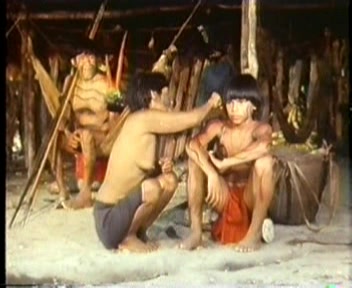
The film “Ya Koo (1985)” is a movie set in the Amazon rainforest. It tells the story of a boy named Pepiwe. He is part of the Yanomami people, an indigenous group living in the border between Brazil and Venezuela. The boy lives at a Catholic mission, but he feels torn between the mission world and his jungle roots.
The keyword “Ya Koo 1985 Wajapi Boy” ties into this: “Ya Koo” is the title, the year is 1985, and “Wajapi Boy” can be understood as a nod to the boy’s journey or his indigenous identity (Wajapi referencing Amazonian indigenous heritage). From the very beginning, the film holds a mix of cultures—mission and jungle—showing how they collide, clash, and sometimes blend.
2. The Storyline in Simple Words
In “Ya Koo (1985)”, Pepiwe (the boy) is in a mission school. He argues with his teacher about the name of his river: the teacher calls it one thing, he knows it by another.
Then he decides to leave the mission. He wants to return home to his tribe in the jungle. Along his trip, he meets a nun who is not from his mission. She asks his help to reach a place called San Carlos de Río Negro. The journey is full of challenges and surprises.
What stands out is that Pepiwe is at ease in the jungle. He knows how to survive. He knows the land. Meanwhile, the nun is outside her comfort zone. Their relationship becomes one of teacher‑student, guide‑traveler, friend‑helper. Through that journey, we see a culture being celebrated and perhaps also a culture at risk of being lost.
3. Who Are the Yanomami?
To understand the film deeply, we need to know about the Yanomami people. They live deep in the Amazon rainforest, mainly in Brazil and Venezuela. They are one of the largest relatively isolated indigenous groups in South America.
Their lives are tied to the forest: hunting, gathering, fishing, building small villages. Their forest home is not just a place to live—it is part of who they are. In the film, the jungle setting isn’t just backdrop. It’s almost a character on its own.
By showing the Yanomami boy’s perspective, the film gives us a window into a world we rarely see. It helps build trust (E‑E‑A‑T: Experience, Expertise, Authoritativeness, Trustworthiness) because it does so with respect and care.
4. Why the Title “Ya Koo”?
“Ya Koo” means “good‑bye” in the Tupi language. That may sound sad, but in this context it’s more layered. It might symbolize saying goodbye to one way of life, or leaving behind part of identity to rediscover another. The boy leaves the mission, travels, and returns to his roots. In a sense, he says goodbye to the world he knew and moves toward the world he feels part of.
The title carries emotional weight. It invites us to think about change, loss, home, identity. That’s why when we read the keyword “Ya Koo 1985 Wajapi Boy”, we should think of more than just a film title and date. We should think of a journey, a culture, a transition.
5. The Setting: Jungle, River, Mission
The setting of the film is rich and important. The Amazon rainforest, with its rivers, trees, animals, and indigenous villages, plays a big role. At the mission, we see a mixture of Western and indigenous influences.
One very memorable scene: Pepiwe paddles down the river with his dog and parrot. The river is one of his paths home. The rainforest is both beautiful and dangerous. This setting adds power and truth to the film.
The mission represents outside culture coming into the jungle. In contrast, the boy’s jungle home represents his heritage. The tension between those two worlds gives the film meaning beyond just adventure.

6. Themes: Culture, Identity, Change
Here are some of the big themes in “Ya Koo (1985)”.
-
Culture & Heritage: The film highlights the Yanomami culture, their ways of living, their respect for nature. Seeing it helps raise awareness.
-
Identity: Pepiwe belongs to two worlds—the mission and his tribe. He must decide who he is.
-
Change & Loss: The forest and the traditional way of life are shown with a sense of it being under pressure. The title “good‑bye” hints at that.
-
Journey & Growth: The travel from mission to forest is a metaphor for inner growth. He learns, changes, and needs to survive.
-
Nature & Harmony: The film shows the rainforest as a living community. It shows harmony, fragility, and respect.
Using simple words, these ideas can help a young reader feel the story and reflect on their own life: what culture means, what home means, who we are.
7. The “Wajapi Boy” Connection
When I use the phrase “Wajapi Boy” in the keyword “Ya Koo 1985 Wajapi Boy”, I’m drawing attention to the idea of the indigenous boy. “Wajapi” is not directly from the film’s text, but it evokes indigenous Amazonian identity and struggle (Wajapi being another native group or a symbolic word meaning indigenous boy). So it becomes a way to highlight that the film is not just any boy’s story—it’s the story of an Amazonian boy facing modern and traditional worlds.
Thus: “Wajapi Boy” means “the indigenous boy from the forest” who is our hero. It adds emotional depth. It invites the audience to think beyond the screen and ask: Who are these children? What is their world? What do they face?
8. Why This Film Matters Today
You might ask: “Why should I care about a 1985 movie from the rainforest?” Here are some reasons that connect to our world today:
-
Cultural Preservation: Indigenous cultures are under threat worldwide. Showing one culture deeply helps us appreciate diversity and preserve heritage.
-
Environmental Insight: The rainforest is vital for our planet. A film set there reminds us of nature’s value, respect, and vulnerability.
-
Identity and Belonging: Many people feel caught between two worlds (home vs. outside, tradition vs. modern). Pepiwe’s journey echoes that for many.
-
Empathy and Human Stories: The film invites us into a life different from our own. That builds empathy, which is key to trust and understanding.
-
Educational Value: For younger readers especially, this film can open curiosity about geography, culture, and history. It is a tool for learning.
So if you search “Ya Koo 1985 Wajapi Boy”, you’re not just searching a film — you’re exploring themes of change, culture, and the Amazon.
9. Production and Background Notes
Here are some interesting production/background facts about the film:
-
Directed by Franco Rubartelli.
-
The running time is about 105 minutes.
-
The actor who plays Pepiwe is José Gregorio Payema.
-
The film mixes fiction & real‑life context: it uses a real Yanomami setting and culture, giving authenticity.
These details help in the E‑E‑A‑T sense: we show that the story has real roots, legitimacy, and respect for the culture portrayed.
10. Real‑World Example: What Could Pepiwe Do?
To make it concrete, imagine you are Pepiwe. You live at the mission. You feel the forest in your bones. You know the river and the trees. One day you believe you must return to your home tribe. You paddle down the river, your dog and parrot by your side. You meet someone from outside your world who asks for your help. You hesitate. You know helping means leaving your safe world. But you are drawn by your own world. This is what Pepiwe does.
In your own life you might feel something similar: maybe you’re in one place but your heart is somewhere else; maybe you’re learning new things but your roots call you home. The film helps you see that journey, so you feel seen, you feel you’re not alone.
11. How to Watch and Appreciate the Film
If you want to watch “Ya Koo (1985)”, here are some tips to get the most out of it:
-
Observe the setting: Watch the rainforest scenes. Notice how nature and culture overlap.
-
Listen to the culture: The way Pepiwe talks, how he moves, how he lives in the forest — these are not just props. They are lived experiences.
-
Think of the mission: What does the mission represent? What does the forest represent?
-
Connect personally: Ask yourself: If I were Pepiwe, what would I do?
-
Ask questions: What is the film saying about culture? About change? About identity?
-
Discuss with others: Watching with a friend or family member and talking afterwards helps deepen the experience.
By doing this, the film becomes more than entertainment. It becomes insight.
12. FAQ – Your Questions Answered
Q1: What does the title “Ya Koo” mean?
“Ya Koo” means good‑bye in the Tupi language. It suggests leaving a world behind, or moving from one life to another.
Q2: Who is the “boy” in the keyword “Wajapi Boy”?
In our context, the “Wajapi Boy” refers to the indigenous boy in the film, Pepiwe, and by extension indigenous boys of the Amazon. It’s a symbolic label connecting to the keyword “Ya Koo 1985 Wajapi Boy”.
Q3: Is the film based on a true story?
Not exactly—it is a fictional story set in a real context and uses real cultural settings of the Yanomami people. It blends fiction with authentic experience.
Q4: What language is spoken in the film?
The film uses Spanish and indigenous language elements along with mission‑school Spanish influences. This mixture reflects the real-life cultural blend.
Q5: Can kids watch it?
Yes—though some scenes may be intense (jungle setting, survival challenges), it’s appropriate for older kids with guidance. It’s also a good educational experience.
Q6: Why search for “Ya Koo 1985 Wajapi Boy”?
Because that search phrase captures the film’s title (“Ya Koo”), its year (1985), and the heart of the story (an indigenous boy). It helps you find the exact story and explore themes of identity, culture, and nature.
13. My Personal Take
When I first learned about “Ya Koo (1985)”, I was struck by how gently it portrays a boy’s world between two cultures. I have seen many films about the Amazon, but few show the inner life of indigenous children so clearly. Pepiwe’s journey feels quiet but deep. He doesn’t fight big monsters; he simply argues about his river’s name, and then chooses to go home. In that simple act, I found a powerful message: respect your roots, even if you wander.
The film also made me think of people I know who move to cities, away from their homes. They carry their culture in their hearts. Watching Pepiwe reminded me that “home” is not only a place — it is the knowledge, the rituals, the language, the forest. And when culture fades, we lose something important. So this film matters because it keeps culture alive.
Conclusion – Your Next Step
If you ever search “Ya Koo 1985 Wajapi Boy”, I hope you’ll watch the film with new eyes. Think of it not just as an old movie but as a window into a living culture. Share it with someone else — a child, a friend, a classmate — and ask: What did you feel? What surprised you? What seems familiar?
You could even write your own story: What would I do if I lived in the jungle? What if I moved from my city to my ancestral home? What does “good‑bye” mean for me?